VIDEO: How To Schedule Hard Training Weeks And Recovery Weeks to Improve Your Progress
When I’m writing a program I like to think about how many weeks we’ll be “up” and how many weeks we’ll be “down”.
Up-weeks are hard training weeks where the goal is somehow progress week over week. Down-weeks are used for rest and recovery between blocks of harder training. As simple as this concept is, getting right is crucial to getting stronger and fitter.
In this video I give some insights into how to schedule hard training weeks and recovery weeks to improve your progress. This is really about determining how many up-weeks you can handle in a row before you need a change and when to schedule a down-week. While there are some general guidelines, each person’s requirements are unique and change over time as they move from beginner to advanced as well as depending on the type of training block you’re doing.
KEEP READING

If your quads, hamstrings, or low back switch on when you’re doing glute bridges, you're not doing it properly. Here’s how to make sure you’re training your glues effectively every time.

The shoulder abduction test gives you hugely important information about your ability to stay in an optimal shoulder position, especially overhead.

Try this single leg glute bridge assessment and the progressions to investigate your own hip stability.

Single leg glute bridges are a simple and effective way to assess and develop your hip stability side to side.

Here are the six things to do immediately if you strain your back that I’ve found to be most effective.

Wall balls can be a terrific exercise for building stamina in the shoulders and legs. It’s a potent full body exercise. So how can you do wall ball exercises properly?

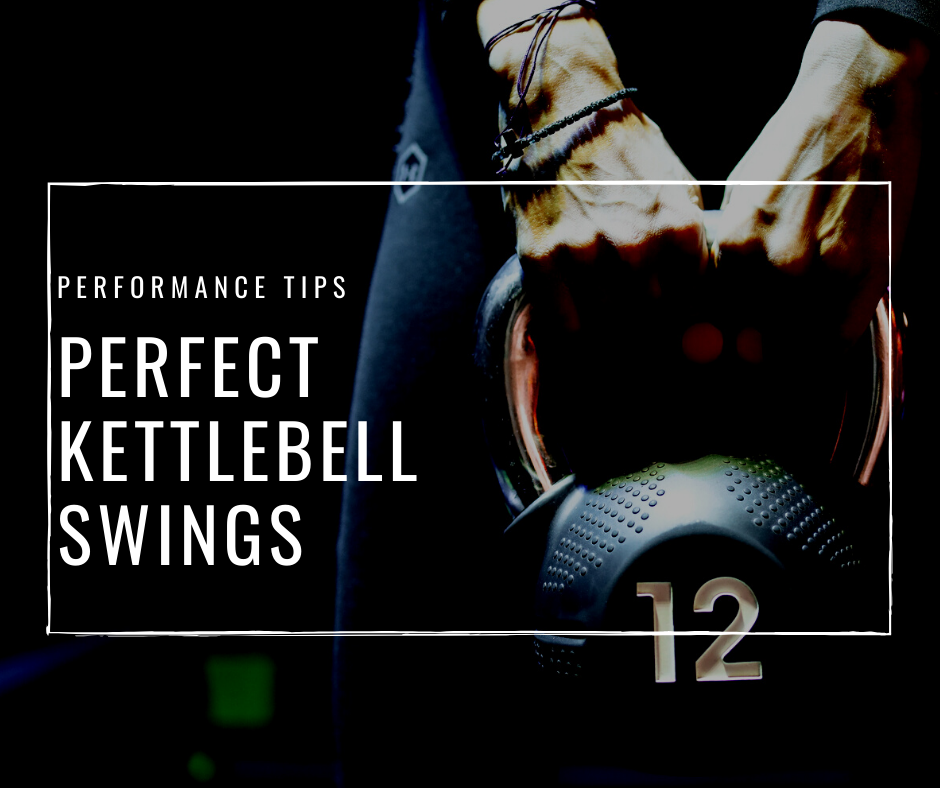
If you understand how to do kettlebell swings correctly, they can be a terrific exercise. The first step to effective, explosive KB swings is mastering the hip hinge.

Structural balance considers the ratios of an athlete’s strength in different exercises to assess the balance of various muscles groups. Whether you’re a trainer or a coach, this guide explores how to implement structural balance principles in your gym.

In order to maximize shoulder strength and maintain great long-term shoulder health, the postural muscles around the shoulder must be in balance. Try this shoulder muscle balance assessment.