
VIDEO: How To Feel Your Glutes In A Bridge
When you do a glute bridge you should feel your glutes - and only your glutes - working.
And your glutes shouldn’t just be working a little bit. Ideally, you want the control to make them work very, very hard. Turning our glutes on like this is what we’re meant to be practicing in a glute bridge.
So what about the many individuals who struggle to feel their glutes? If you feel it mainly in your quads or hamstring or low back when performing a glute bridge, you're not doing it properly.
In my experience, there are a couple of simple tips that tend to quickly solve the problem 90% of the time. That’s what I go through in this week’s video.
What about the other 10% of cases that don’t feel their glutes activate with these two simple tricks? That get a little, well, trickier. In those situations I’ve got to dig deep into my trainer toolkit to find some exercise - anything really - that enables the client to feel their glutes (and only their glutes) working. We’ll train that for a week or two on a daily basis, and then see if we’ve established enough of a mind-muscle connection that we can re-try the glute bridge with more success. If you’re on your own, remember that it’s the mind-muscle connection that is the key here.
KEEP READING

If your quads, hamstrings, or low back switch on when you’re doing glute bridges, you're not doing it properly. Here’s how to make sure you’re training your glues effectively every time.

The shoulder abduction test gives you hugely important information about your ability to stay in an optimal shoulder position, especially overhead.

Try this single leg glute bridge assessment and the progressions to investigate your own hip stability.

Single leg glute bridges are a simple and effective way to assess and develop your hip stability side to side.

Here are the six things to do immediately if you strain your back that I’ve found to be most effective.

Wall balls can be a terrific exercise for building stamina in the shoulders and legs. It’s a potent full body exercise. So how can you do wall ball exercises properly?

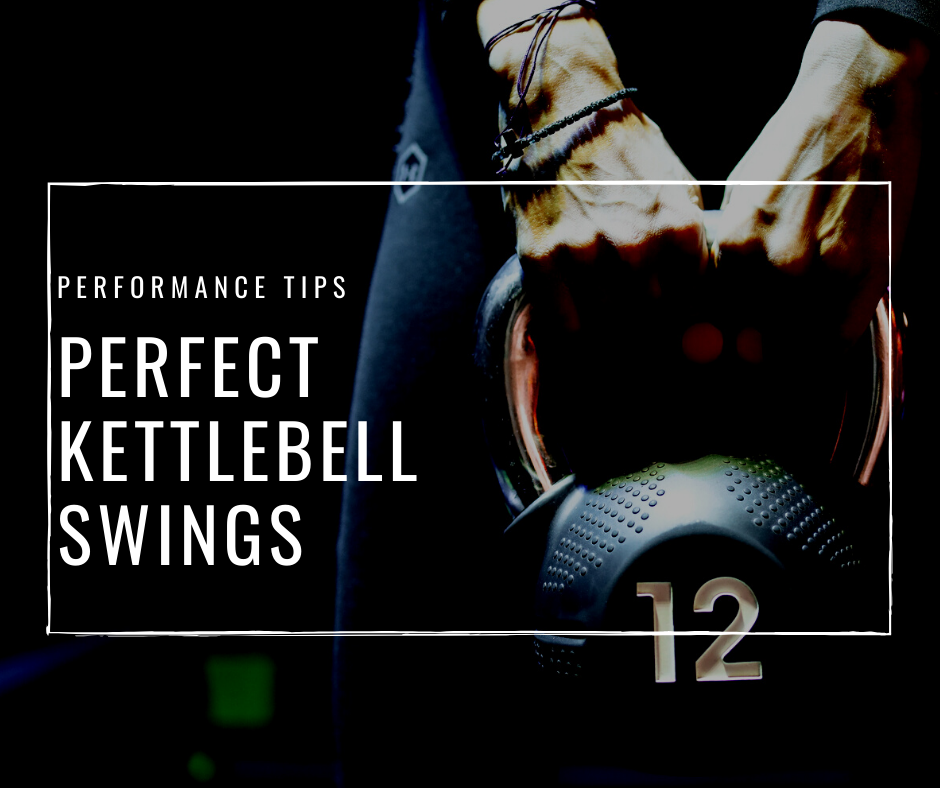
If you understand how to do kettlebell swings correctly, they can be a terrific exercise. The first step to effective, explosive KB swings is mastering the hip hinge.

Structural balance considers the ratios of an athlete’s strength in different exercises to assess the balance of various muscles groups. Whether you’re a trainer or a coach, this guide explores how to implement structural balance principles in your gym.

In order to maximize shoulder strength and maintain great long-term shoulder health, the postural muscles around the shoulder must be in balance. Try this shoulder muscle balance assessment.